Scott 3200A Tailwheel – Fully Rebuilt: Durable Tailwheel Steering and Landing Gear Solution
Scott 3200A Tailwheel – Fully Rebuilt: Durable Tailwheel Steering and Landing Gear Solution
Blog Article
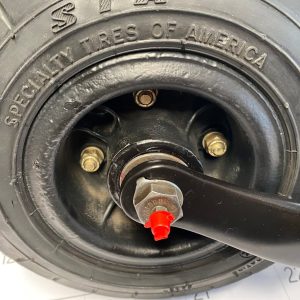
The Scott 3200A Tailwheel – Fully Rebuilt offers a dependable replacement option for suitable taildraggers requiring responsive steering, smooth swiveling, and reliable aircraft ground handling. The meaning of fully rebuilt should be supported by information describing disassembly, cleaning, inspection, measurement, lubrication, component replacement, reassembly, adjustment, and functional testing.
A correctly rebuilt Scott 3200A Tailwheel Assembly can support predictable steering when installed and adjusted properly on a compatible aircraft. The actual condition of a Scott Tailwheel Assembly should be determined through appropriate inspection rather than cosmetic appearance alone.
An Aircraft Tailwheel Assembly experiences vertical loads, side forces, vibration, steering input, and occasional impact during routine service. A properly maintained General Aviation Tailwheel can support predictable directional control and long-term serviceability.
Whether the project involves a Tailwheel Steering Assembly, Aircraft Ground Handling Tailwheel, or Scott 3200 Series Tailwheel, professional installation remains important.
Overview of the Fully Rebuilt Scott 3200A
The Scott 3200A combines mechanical steering and swivel functions in a design familiar to many tailwheel pilots, restorers, and aviation maintenance professionals. The tailwheel operates together with the aircraft tail spring, steering chains or links, steering springs, rudder system, attachment bolts, and surrounding structure.
Choosing a Scott 3200A Tailwheel Assembly
Suitable internal clearances and secure steering components contribute to consistent performance. A rebuilt unit may include inspected housings, renewed bearings, replacement bushings, serviced steering components, fresh lubrication, suitable hardware, and adjusted internal parts.
Professional Scott Tailwheel Rebuilding
A thorough rebuild generally begins with complete disassembly, careful cleaning, detailed inspection, and measurement of wear-sensitive areas. A freshly painted assembly may still contain worn bearings, weak springs, excessive clearances, or damaged steering components when no true rebuild was completed.
Aircraft Tailwheel Assembly Maintenance
Tailwheel condition influences taxi tracking, turning ability, maneuverability, and pilot workload. The tail spring and steering linkage strongly affect how the assembly responds to pilot input.
General Aviation Tailwheel Reliability
Each operating environment places different demands on the tire, wheel, fork, bearings, steering mechanism, hardware, and lubrication. Training aircraft may accumulate frequent taxi and landing cycles, while bush airplanes may experience greater surface irregularity and impact loading.
Maintaining an Aircraft Tailwheel
Its geometry, tire condition, fork alignment, steering arrangement, and internal condition can influence ground behavior. Abnormal wear may indicate misalignment, bearing problems, repeated shimmy, poor adjustment, or use on abrasive surfaces.
Choosing a Taildragger Tailwheel
A responsive and correctly adjusted tailwheel can contribute to predictable taxiing and controlled turning. Taildragger operation may expose the assembly to side loads during crosswind taxiing, landing corrections, tight turns, and directional-control events.
Understanding an Aviation Tailwheel System
A problem in one area can create symptoms elsewhere in the installation. Steering chains or links should have suitable tension, symmetry, attachment security, and freedom of movement according to the aircraft configuration.
Tailwheel Steering Assembly Performance
A professional rebuild should address the complete Tailwheel Steering Assembly rather than only visible exterior parts. The mechanism should not interfere with surrounding structure, chains, springs, fairings, or nearby aircraft components.
Choosing a Ground Handling Tailwheel
Reliable ground handling begins with a serviceable assembly and a correctly adjusted installation. Towbars and handling equipment should match the aircraft and remain clear of vulnerable tailwheel components.
Benefits of the Scott 3200 Series Tailwheel
Operators may value the availability of maintenance experience and replacement components for suitable configurations. Model identification should be supported through reliable references and qualified review.
Choosing a Heavy-Duty Aircraft Tailwheel
A Heavy-Duty Aircraft Tailwheel may be considered for utility, bush, training, agricultural, work-oriented, or backcountry aircraft exposed to demanding ground use. Mud, dust, gravel, and water can shorten inspection and lubrication intervals.
Buying Tailwheel Aircraft Parts
Correct Tailwheel Aircraft Parts protect the integrity and click here performance of the rebuilt assembly. The rebuild should examine all interacting parts rather than focusing on external appearance.
Benefits of an Aircraft Steering Tailwheel
A rebuilt steering mechanism should be evaluated for smooth, consistent, and repeatable operation. Ground loops, abrupt turns, crosswind corrections, rough surfaces, and towing events can place side loads on the steering system.
Replacement Aircraft Tailwheel Guide
The rebuilt Scott 3200A should be compared with both the existing installation and the intended aircraft configuration. The replacement should be inspected after delivery for shipping damage, missing components, rough bearings, incorrect hardware, cracks, or visible defects.
Inspecting General Aviation Landing Gear Parts
Main-wheel alignment, brake condition, tire pressure, and airframe rigging can influence how a taildragger behaves on the ground. Transparent descriptions support trust among aircraft owners, sellers, and maintenance professionals.
Rebuilt Tailwheel Buying Checklist
A detailed inspection reduces uncertainty and supports a more informed transaction.
- Resolve identification, compatibility, and completeness questions before payment.
- Confirm whether retained components passed inspection and whether replacement parts were appropriate for the assembly.
- Confirm the seller’s terms, written invoice, rebuild documents, payment protection, shipping insurance, packaging method, inspection period, and return conditions.
Commissioning a Rebuilt Scott 3200A
Mounting surfaces, steering springs, chains, hardware, and attachments should be reviewed before the rebuilt unit is installed. Any unexpected behavior should be corrected before normal aircraft operation.
Pilots should report delayed steering, pulling, vibration, noise, binding, or irregular swivel behavior.
Maintaining the Scott 3200A Tailwheel
The rebuilt assembly should be inspected according to aircraft use, operating surface, maintenance requirements, and observed condition. The tailwheel should not be ignored simply because it is positioned behind the pilot’s normal field of view.
Corrosion protection may be especially important in humid, coastal, agricultural, outdoor-storage, or wet operating environments.
Choosing the Scott 3200A Tailwheel – Fully Rebuilt
When professionally inspected, installed, adjusted, tested, and maintained, the Scott 3200A Tailwheel – Fully Rebuilt can become a reliable component of a compatible conventional-gear aircraft. A qualified aircraft maintenance professional should evaluate the complete installation before the tailwheel is returned to operational service.
Whether the project involves an Aircraft Ground Handling Tailwheel, Scott 3200 Series Tailwheel, Heavy-Duty Aircraft Tailwheel, or Tailwheel Aircraft Parts, rebuild documentation should be reviewed carefully. With verified compatibility, correct installation, professional steering adjustment, suitable lubrication, and routine inspection, the assembly can provide dependable long-term value.
Report this page